Residential Design
Residence design principles for houses, plans and spaces that work.
Katherine Zinter groups its residential design writing into one place so you can find what matters without scrolling past marketing. Residence design principles for houses, plans and spaces that work. We keep the language plain: what something costs, how long it lasts, and what we would do with our own money. Every article ends with a clear recommendation instead of a shrug.
Everything here is independent. We are not a builder, a broker or a sponsored catalogue, and when we lean on official data we link to it so you can check the numbers yourself. If two options are close, we say so rather than inventing a winner to sound decisive. Start with our home page, or jump to another topic such as Home Renovation.
How we research and test residential design
Our writers are owners first. Renovation, design and building projects are tested in real conditions, on real job sites and real budgets, and costs come from genuine quotes rather than press releases. Before publishing we cross-check specifications against building codes and manufacturer documentation, and anything uncertain is labelled as an opinion. When we get something wrong we correct it in public, because trust matters more to us than looking clever.
We cross-check our advice against independent, official sources. For safety data see the National Highway Traffic Safety Administration, and for real-world economy figures see FuelEconomy.gov.
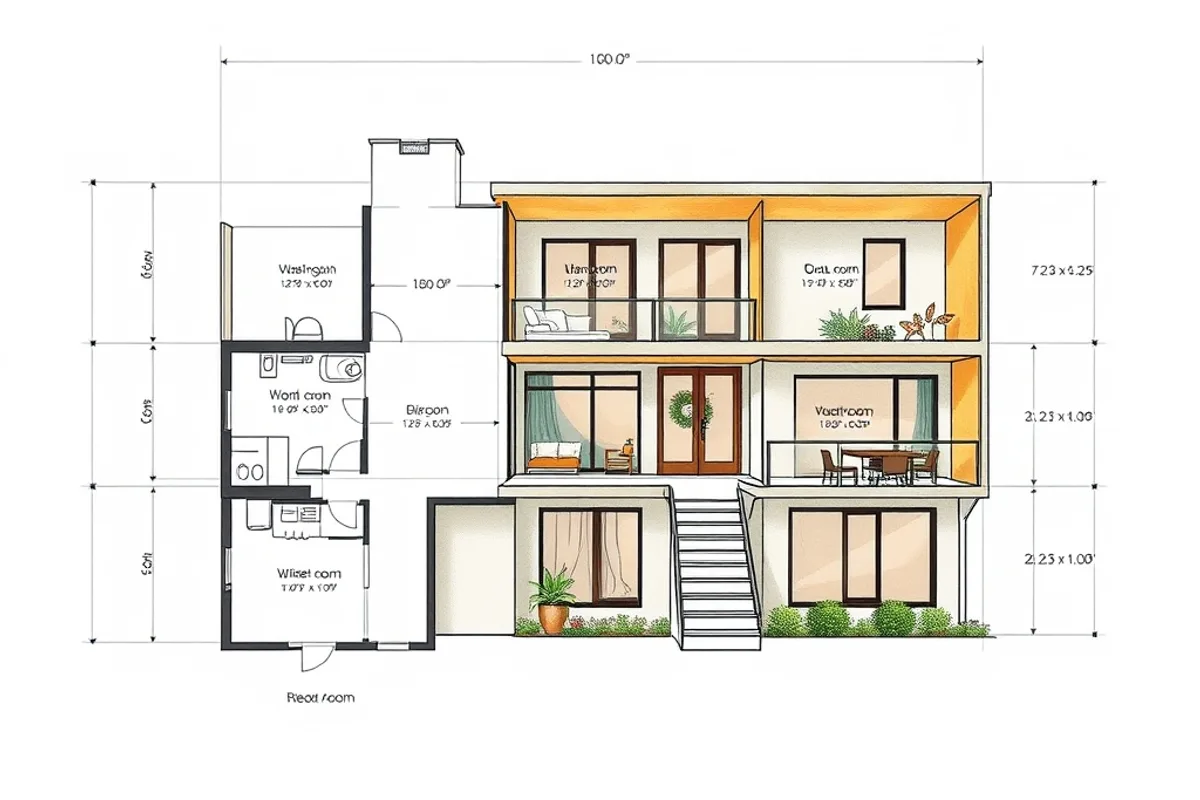
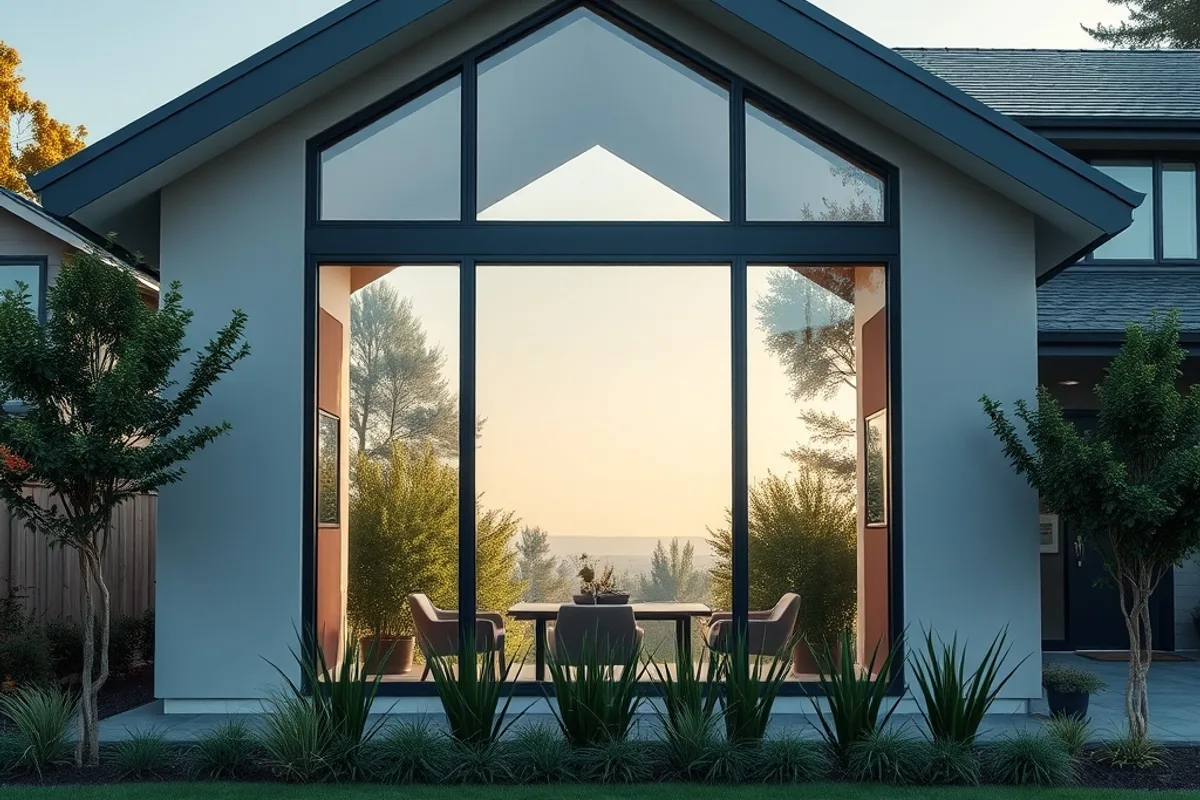
Our residential design coverage is written for owners, not showrooms. A good floor plan is invisible. The ones that fail are the ones that only work on paper. How to read a residential floor plan: room sizes, circulation, furniture footprint and the plans that fail in real life. Light is the material no budget line item can substitute. Here is how residential design uses it well. Designing homes around light: window placement, orientation, layering and making deep rooms bright.