Property Development Financing in 2026: What Lenders Actually Underwrite
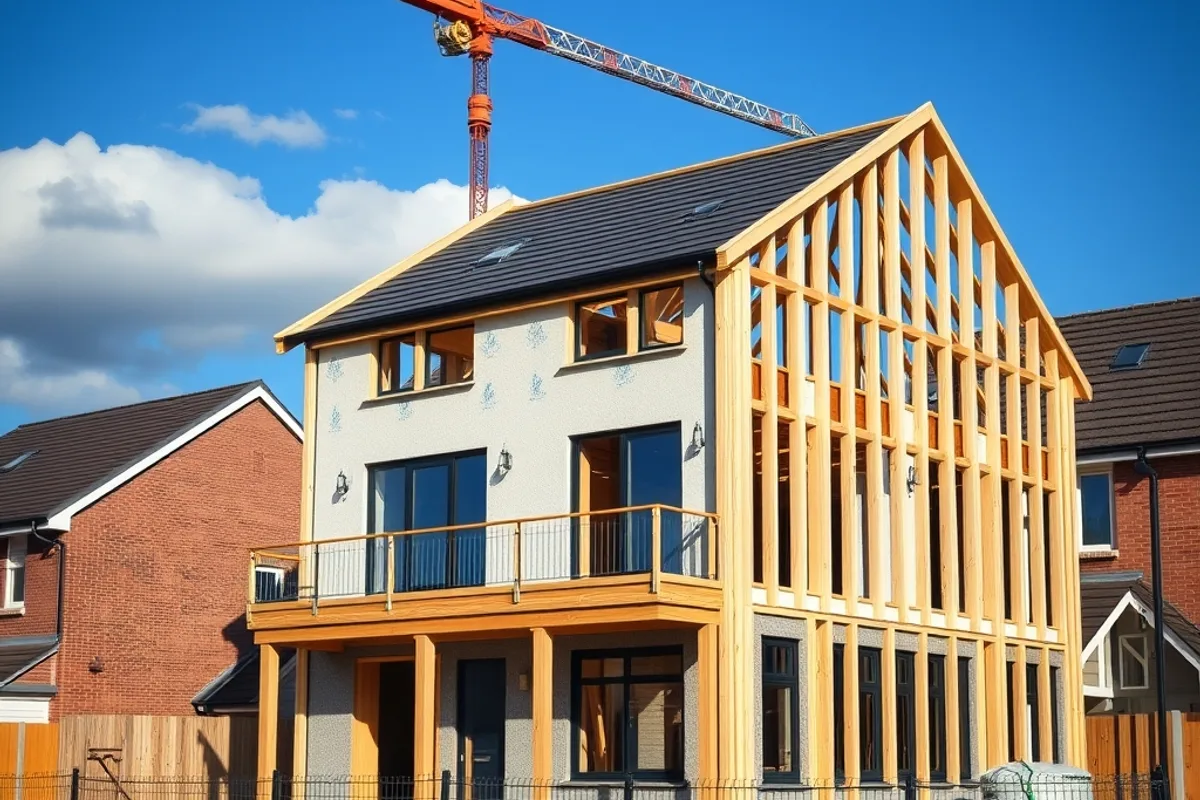
Development finance is the most conservative form of lending and the least understood. A construction loan is not a mortgage with a bigger number, and treating it as one is the most common mistake developers make. This article explains how lenders underwrite projects in 2026 and what actually happens between application and ground break.
We reviewed lender practices, draw schedules and feasibility requirements so owners and developers know what the money really is before they commit equity.

What a development loan actually is
A development loan covers land, hard costs and soft costs, staged through draws as work completes. Interest accrues during construction, and principal is drawn down as invoices are approved. The loan is commercial, short-term and secured against the project, not against any single dwelling.
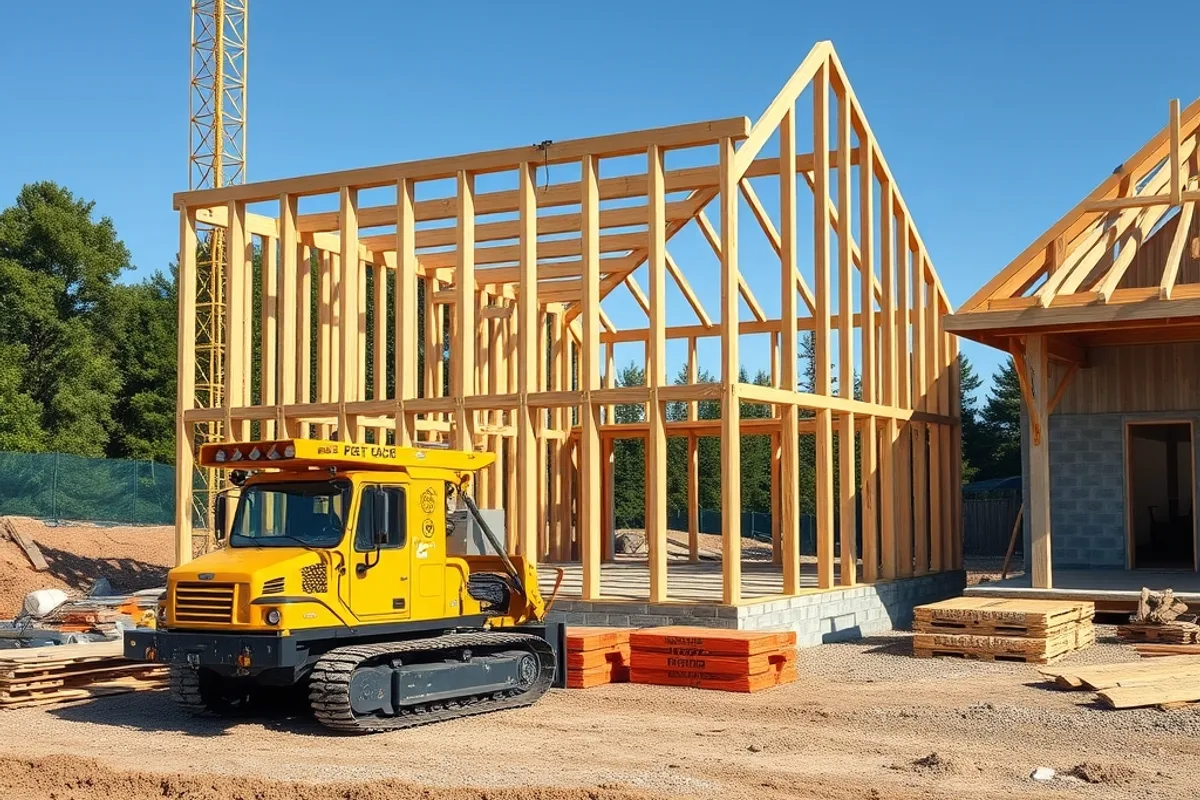
Underwriting: what lenders review
Lenders underwrite against a full feasibility package: purchase price or option, hard cost estimate, market absorption data, financing commitments, insurance and legal structure. The appraisal and the borrower are both examined closely, because construction lending rewards verifiable plans over optimistic assumptions.

Equity, leverage and contingency
Most lenders will lend roughly 55 to 65 percent of finished project cost, with equity from 20 to 30 percent or more depending on risk. A contingency of 5 to 10 percent of hard costs is standard, and lenders will not fund construction without one.

From approval to ground break
Approval is the start, not the finish. Conditions around environmental review, permits, financing and subdivision approvals all have to clear before the first draw. The gap between approval and groundbreaking is where projects live or die.
The bottom line
Strong projects get funded, average projects get reviewed, and weak ones get a polite no. The difference is almost always in the feasibility package behind the loan application.
For official guidance, see NAHB market data.
A development loan is a bet on the finished plan, not on the land alone.Katherine Zinter Editorial
We cross-check our advice against independent, official sources. For safety data see the National Highway Traffic Safety Administration, and for real-world economy figures see FuelEconomy.gov.