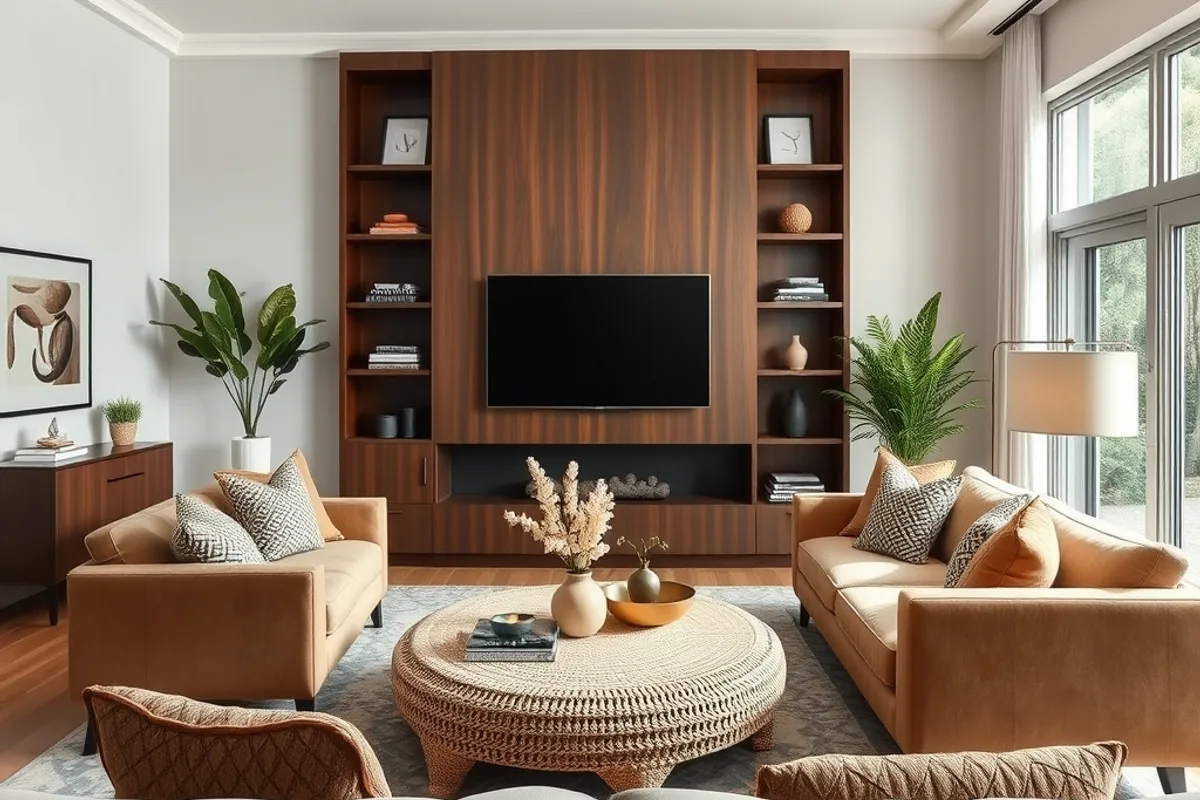
Interior Styling for Small Spaces: Rooms That Feel Bigger
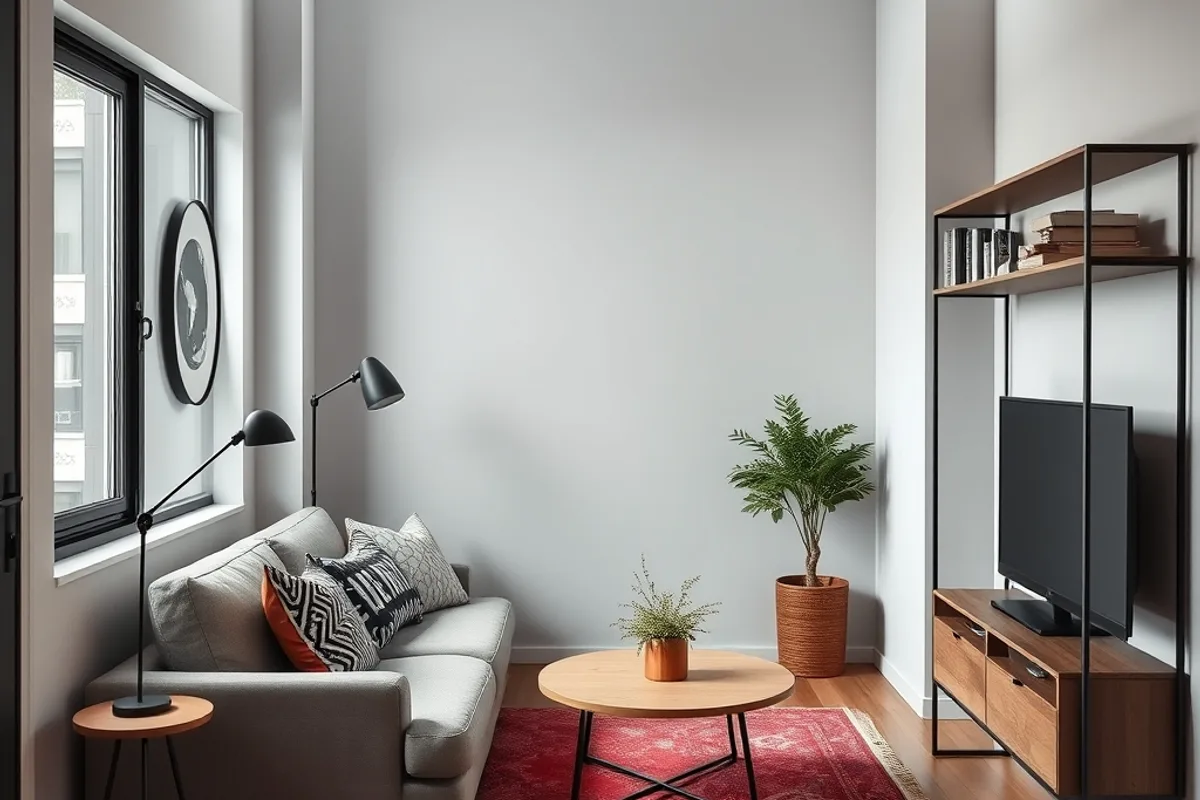
Small rooms fail in the planning stage, before anyone opens a shopping bag. The furniture arrives oversized, the sofa eats the walkway, and the room reads as cluttered even when it is clean. Interior styling for small spaces is mostly a furniture problem, with light and storage close behind.
We styled compact living rooms, studio apartments and small dining areas with real budgets, real dimensions and real families. The results were not about buying less. They were about buying the right things, placing them correctly and using light.
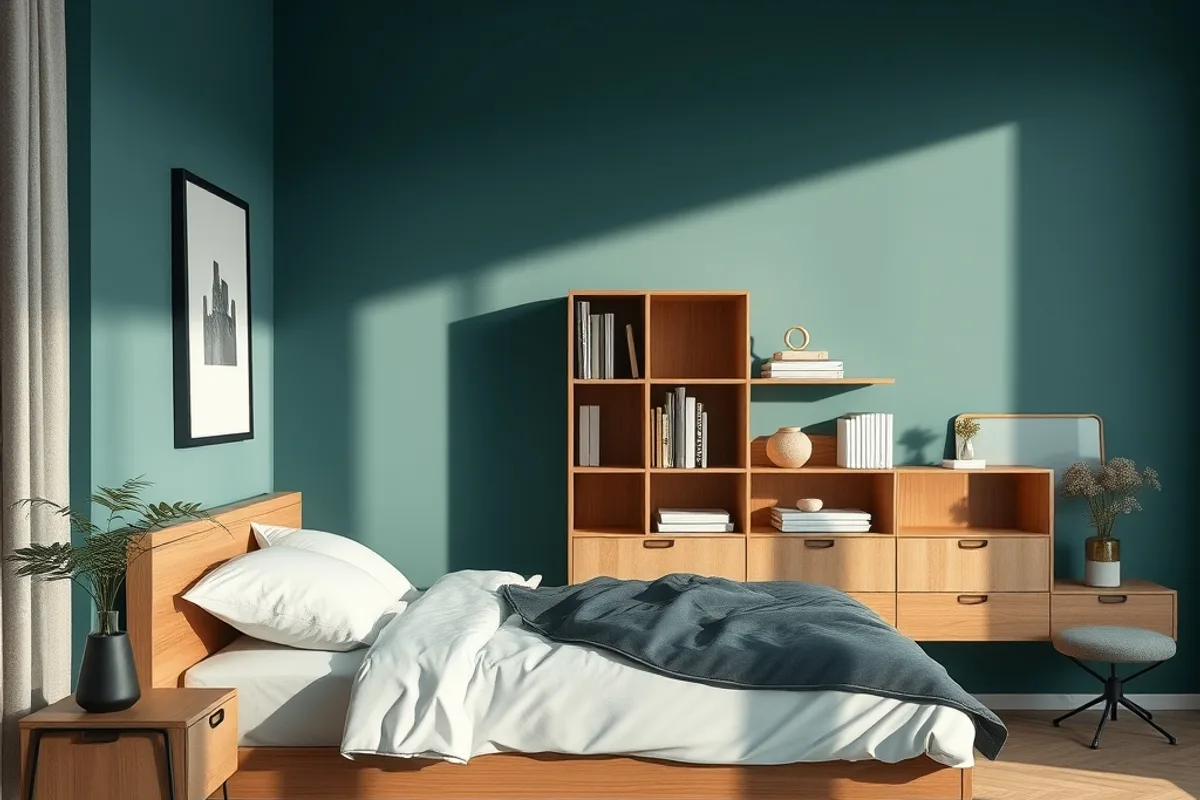
Why small rooms feel small
The three biggest culprits are scale, negative space and light. A sofa that touches both walls leaves no walkway; a rug that stops short of the sofa makes the room feel afloat and the seating feel lost; and a room with one big window reads smaller than the same room with layered window treatments.
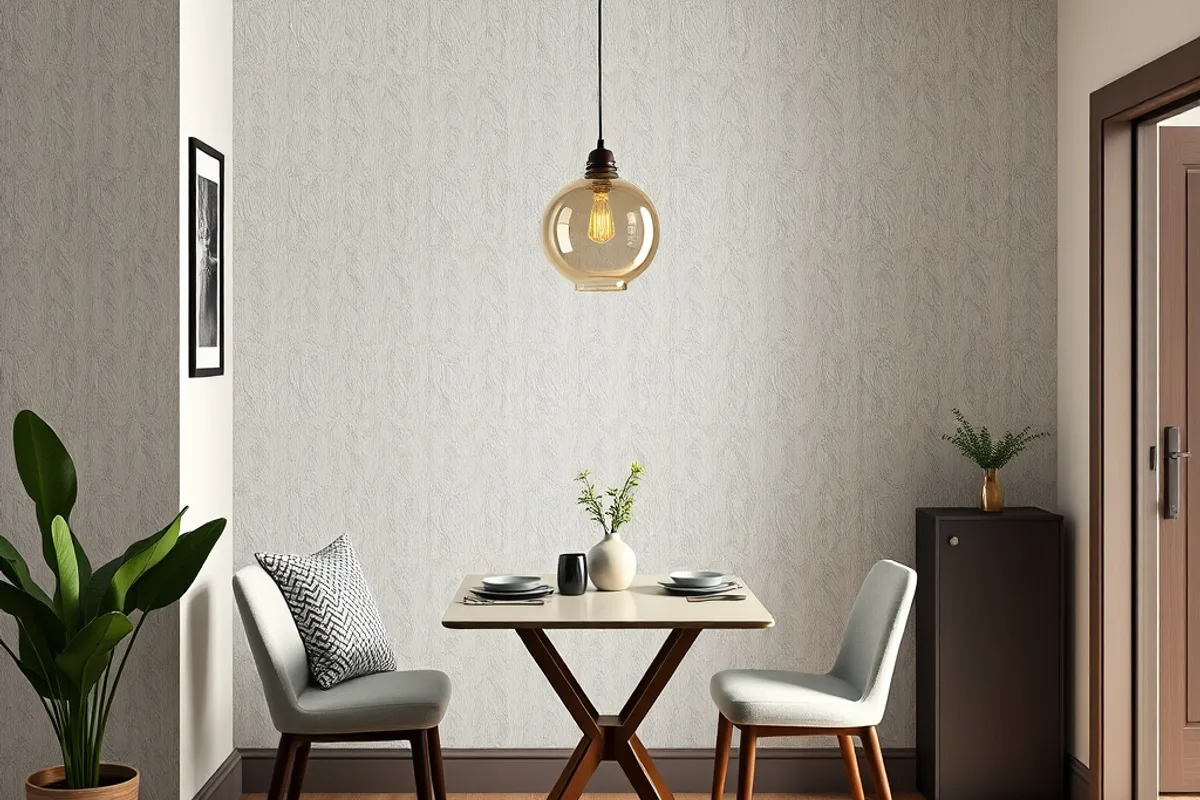
Furniture arrangement that works
Float the sofa away from the wall to open breathing room, or keep it low and grounded. Use a rug sized to the seating, not the room. Choose slim furniture for tight rooms, and multi-use pieces for storage.
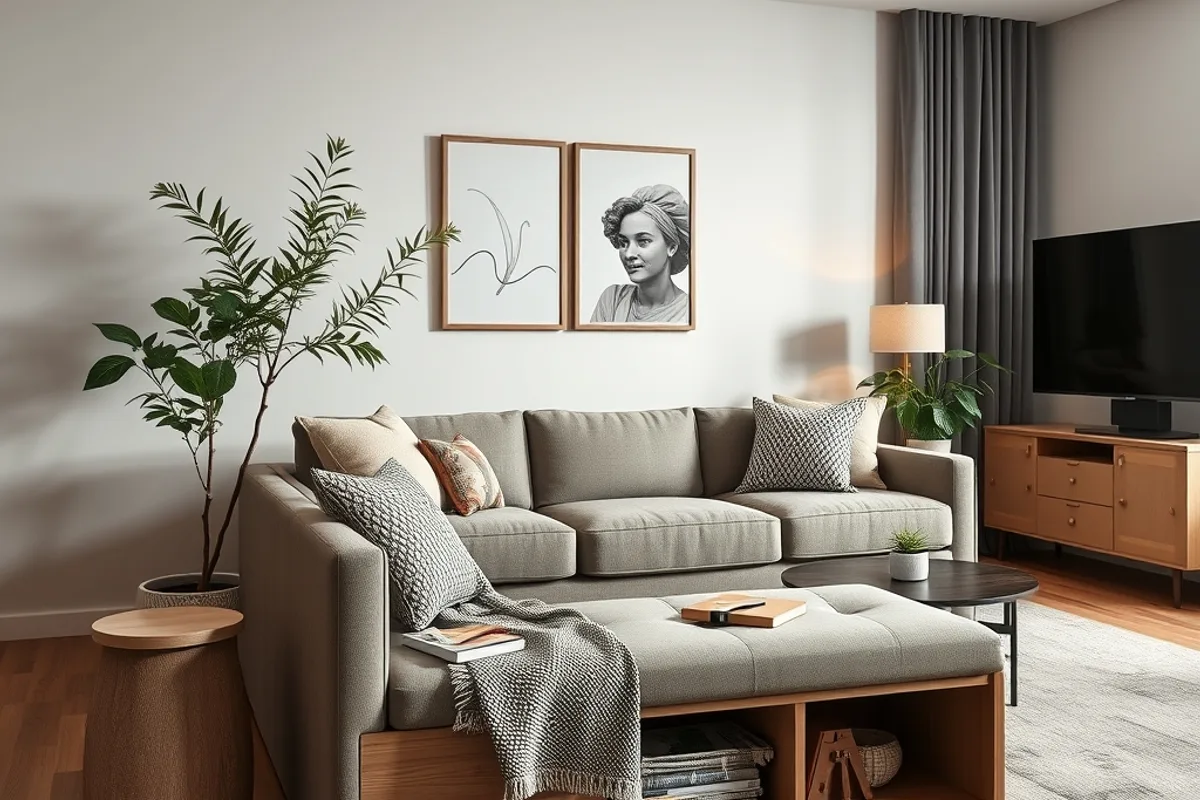
Light and colour layering
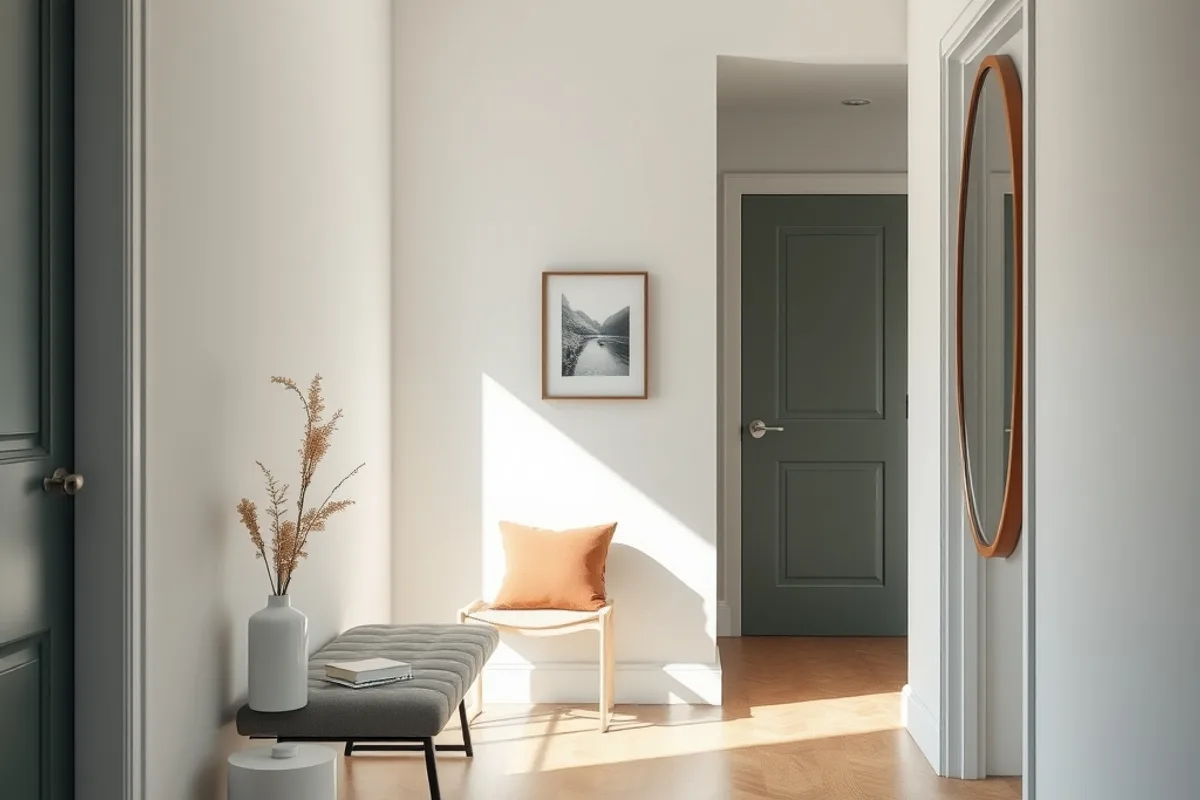
Light colours on walls and large surfaces, one accent wall or accent piece for depth, and layered lighting: ambient, task and accent. Mirrors placed opposite windows double the light without adding a single centimetre.
Storage that hides, not hides clutter
Vertical storage, over-door and under-bed systems, and built-ins. Styling small spaces is 20 percent furniture and 80 percent storage discipline.
The bottom line
You do not need a bigger room to have a bigger-feeling room. You need better furniture, better light and better storage.
For official guidance, see NAHB housing data.
A small room is not a small room. It is a room that has not been styled with the right furniture yet.Katherine Zinter Editorial
We cross-check our advice against independent, official sources. For safety data see the National Highway Traffic Safety Administration, and for real-world economy figures see FuelEconomy.gov.