Home Renovation Costs in 2026: What Each Room Really Costs
Renovation season is already here, and the quotes on kitchen tables around the country are running higher than last year. Cabinets, labour and soft costs have all moved, and homeowners who plan late are paying for it twice: once in the budget and once in the decisions rushed to hit a launch date. This guide maps what each room actually costs in 2026 so you can plan a remodel you can finish.
We pulled contractor bids, published cost guides and walked unfinished renovations from demolition to final walkthrough. The pattern is consistent: the rooms that look simple on a floor plan cost more than the ones that look expensive.
Why renovation costs keep climbing
Four forces explain most of the increase. Material prices for cabinets, tile and countertops remain elevated, labour availability is tight, and soft costs such as design, permits and project management add up faster than they used to. A kitchen that cost around 40,000 before the pandemic now routinely lands at 55,000 or more for a turnkey remodel.
Geography still matters enormously, but even in the same market the gap between a cosmetic refresh and a structural gut job can exceed 100,000. The square footage metric everyone quotes hides the real driver: the number of building systems that have to move. Plumbing, electrical and ventilation runs are where budgets go to die.
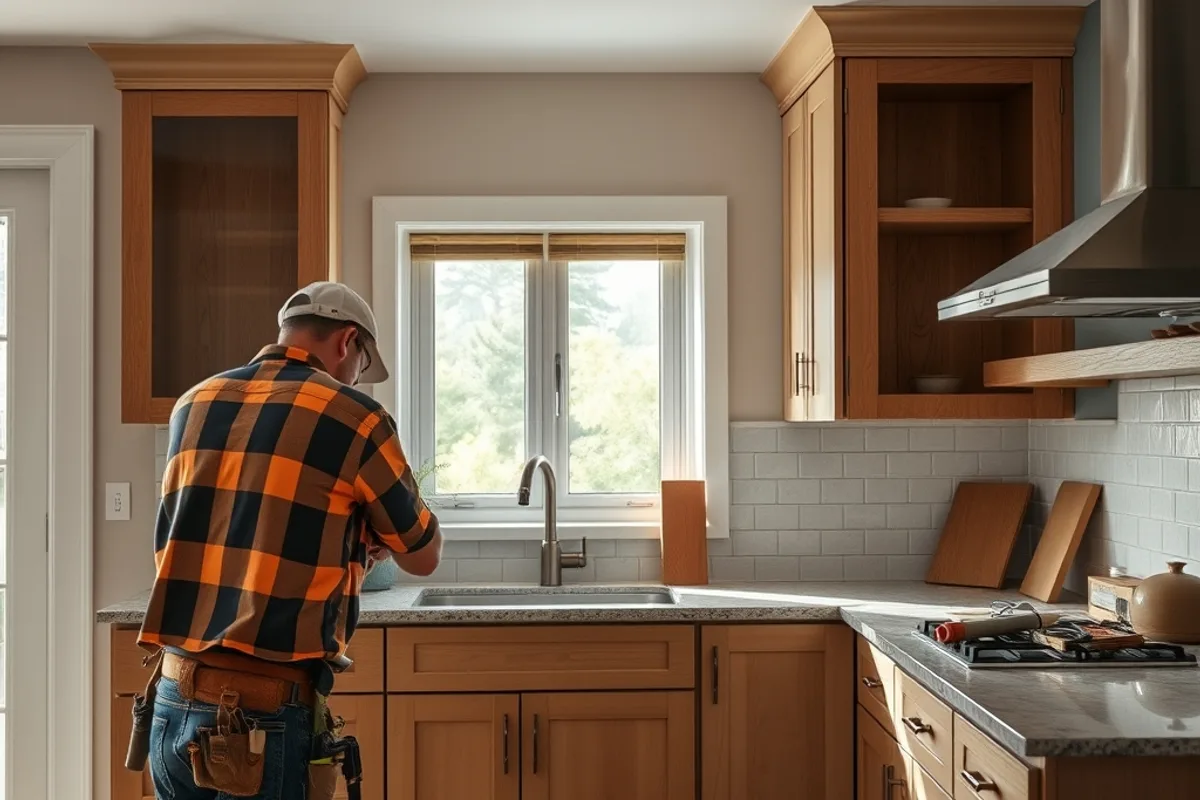
What a kitchen really costs in 2026
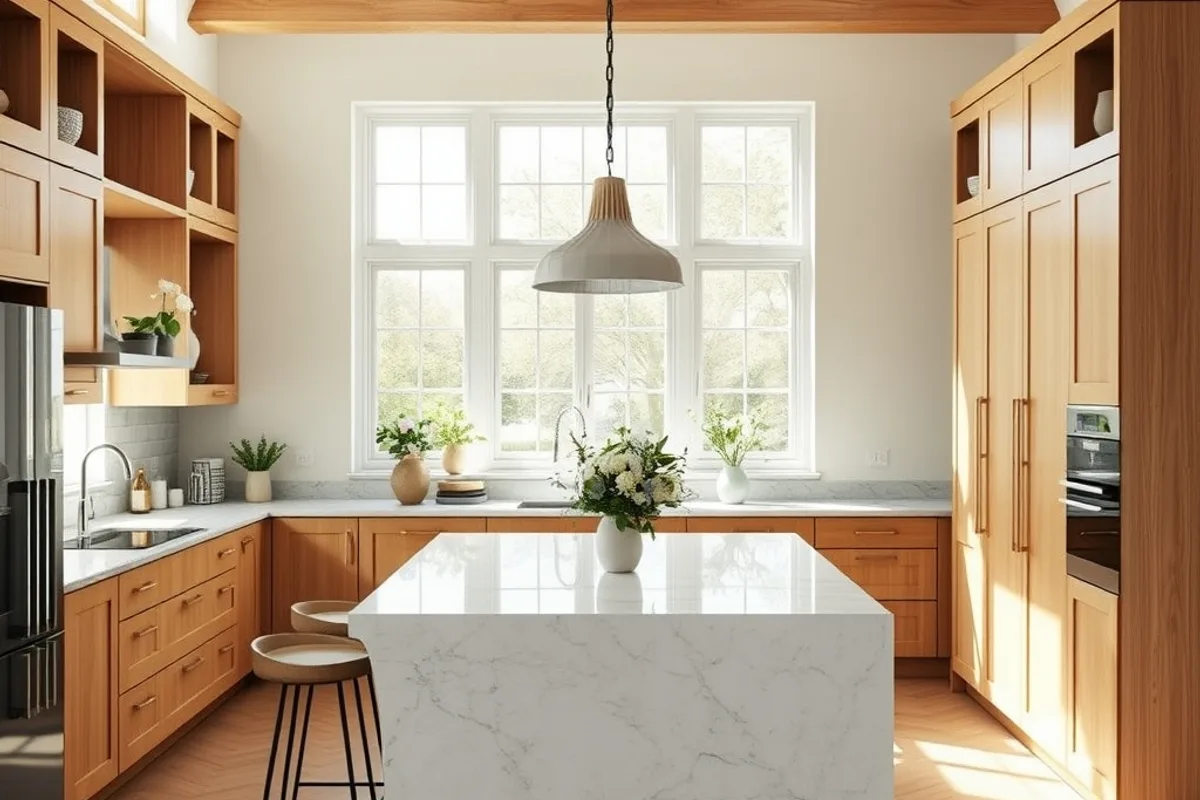
A minor kitchen remodel runs about 25,000 to 45,000 for mid-range finishes, while a major remodel with layout change and custom cabinets lands between 60,000 and 120,000. High-end kitchens with premium materials can pass 150,000, and whole-home kitchen additions push into the 200,000 range.
The biggest cost drivers are cabinets, countertop fabrication and appliance packages, followed by plumbing and electrical rework. A layout change adds roughly 15 to 25 percent on top of finishes, because new cabinets have to be built or reordered.
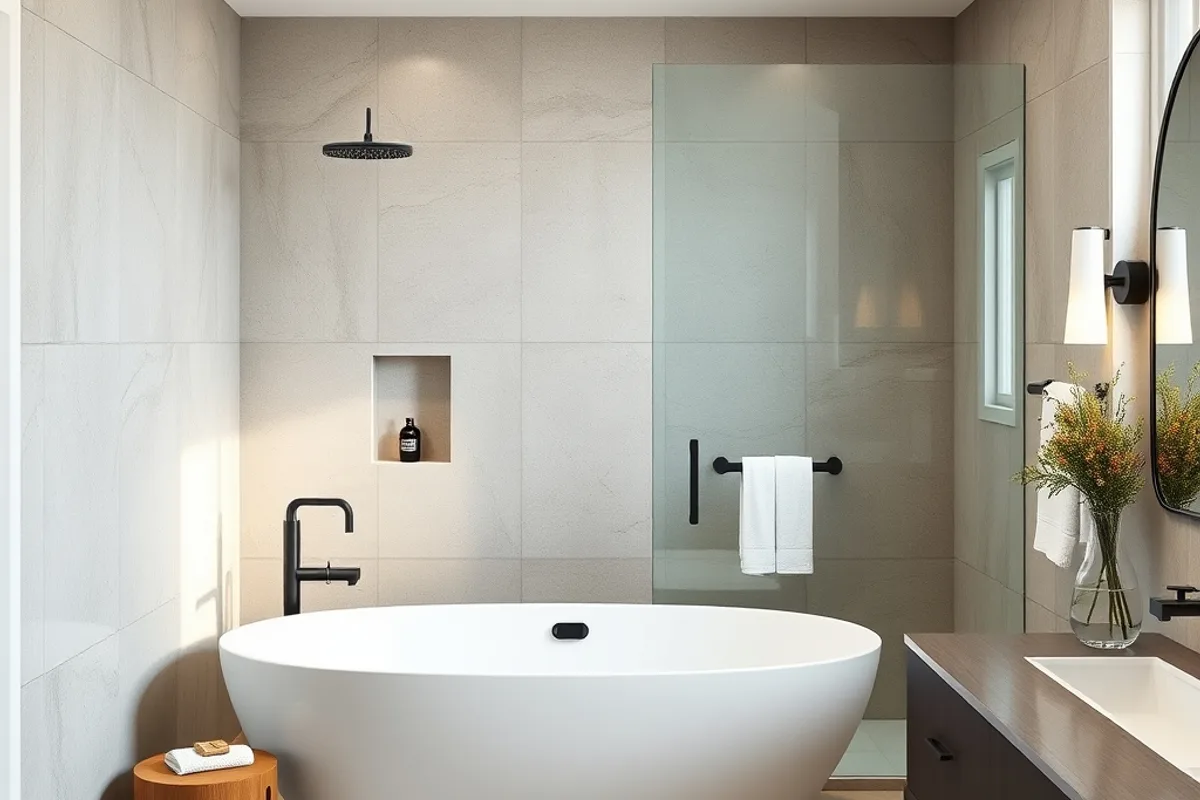
What a bathroom really costs in 2026
Bathroom remodels typically run 25,000 to 60,000 depending on scope, from a cosmetic refresh to a gut renovation with tile, plumbing and relighting. Primary bathrooms with custom millwork and showers can exceed 80,000, and spa-style additions push past 120,000.
Full bathroom rebuilds are usually more expensive per square foot than kitchens because of plumbing, waterproofing and tile labour. A crack in the slab or a shared wall with the slab adds surprises that a good contractor flags before you sign.
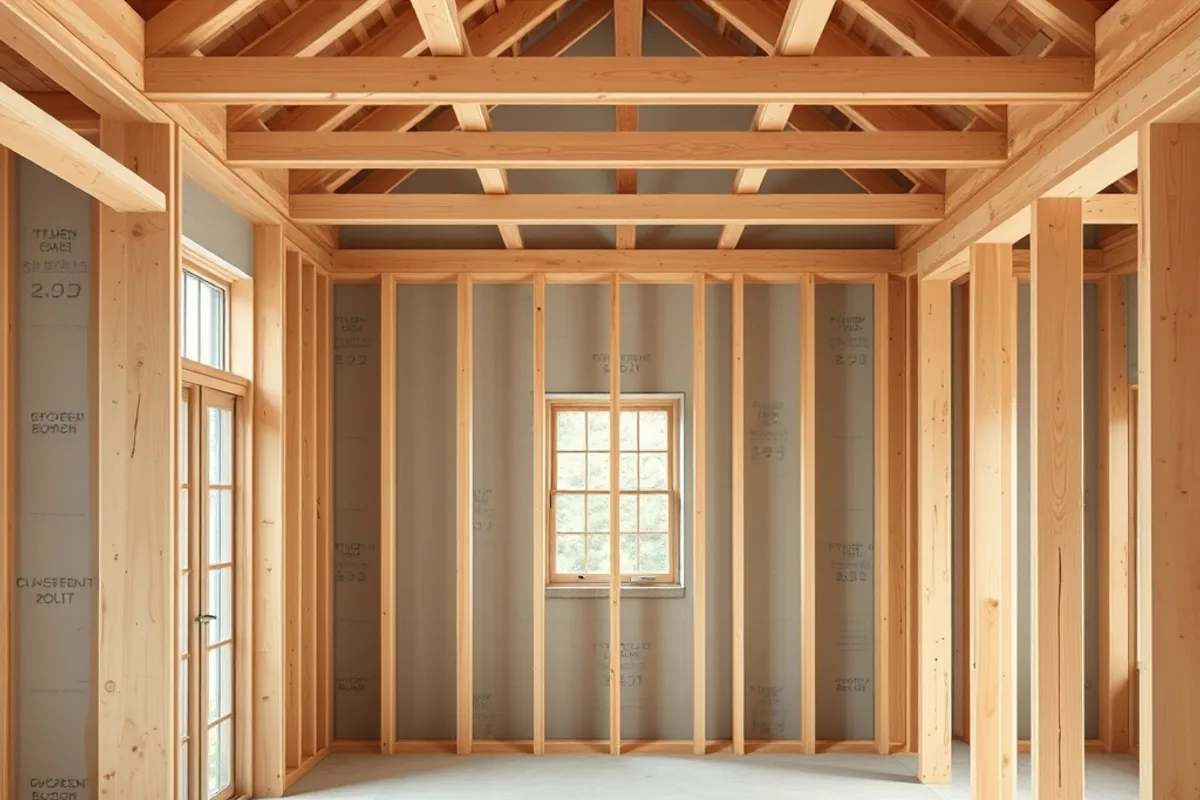
What a whole-home renovation really costs
Whole-home renovations sit between 150 and 250 per square foot depending on finishes and level of renovation, which means a three-bedroom home often lands between 150,000 and 300,000 before furniture. Full gut rebuilds with structural changes run higher.
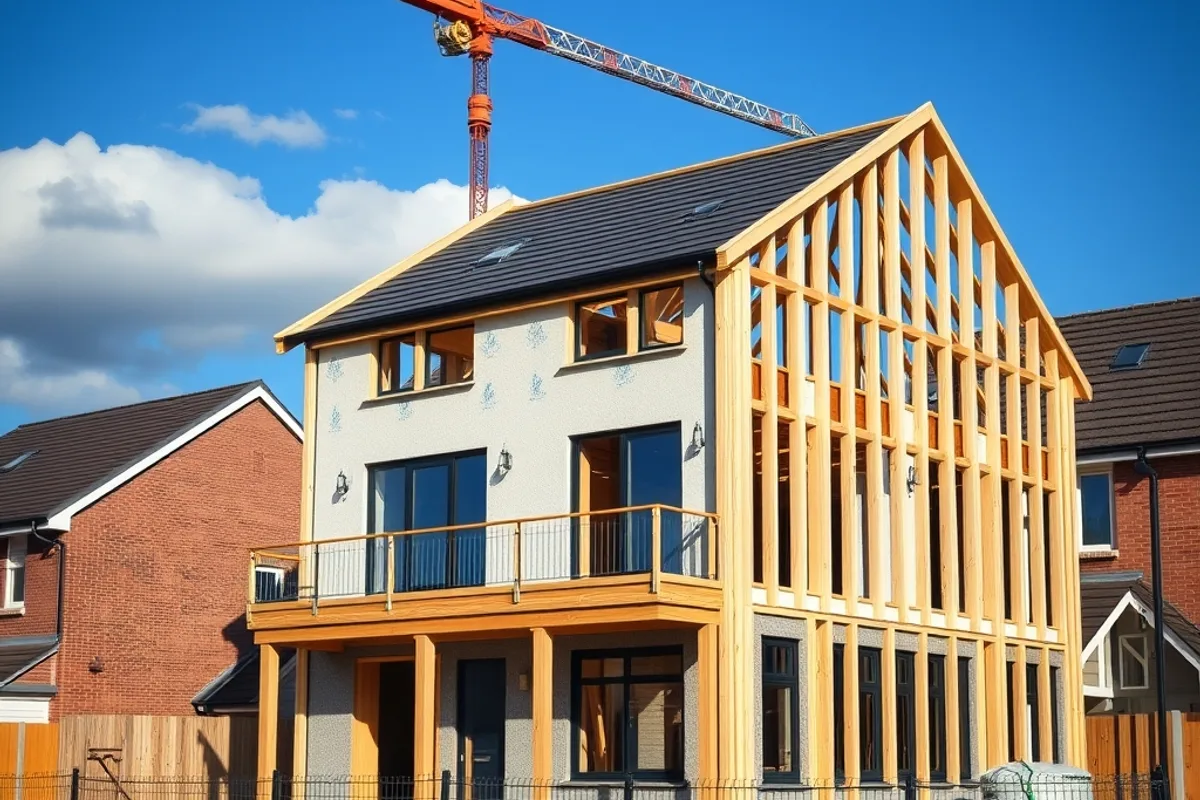
Whole-home projects are where budgets most often break, because demolition, framing, electrical, plumbing and HVAC all interact. The cost per room is easy to estimate; the cost of the connections between rooms is not.
How to build a renovation budget that survives contact with reality
Start with a contingency of at least 10 to 20 percent for a full gut, less for cosmetic work. Get three written contractor bids with the same scope, finishes and exclusions. Price permits, design fees and project management before comparing bids.
Track every change order in writing and let the contingency absorb the small ones. The budget you write before demolition should be a living document, not a document you promise your contractor on day one.
For official guidance, see NAHB home building cost data.
A renovation budget is a promise you make to the contractor, not a guess you make at the kitchen table.Katherine Zinter Editorial
We cross-check our advice against independent, official sources. For safety data see the National Highway Traffic Safety Administration, and for real-world economy figures see FuelEconomy.gov.